
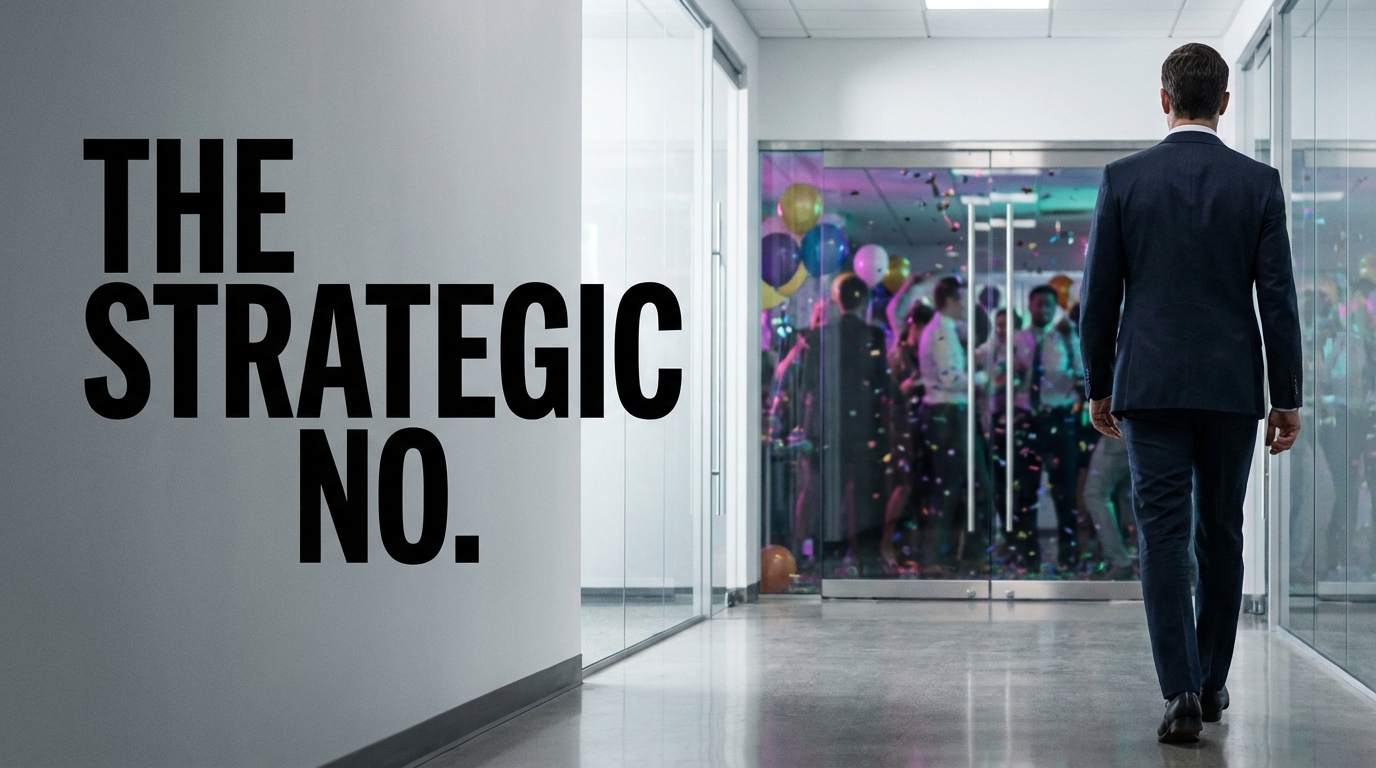
Three years ago, I stared at a Slack notification for yet another mandatory optional Thursday night axe-throwing event. My social battery was entirely depleted. I wanted to go home, eat dinner, and sleep. But the quiet fear crept in. If I skipped, would I miss out on the casual conversations that dictate who gets assigned the next big project? I went to the event, I threw the axes, and I resented every single minute of it. That night sparked my absolute obsession with figuring out how to decline these invites without committing career suicide.
As a ghostwriter and consultant with five years of hands-on experience in Workplace & Career Intelligence under the name William Henry, I see this exact anxiety paralyzing professionals daily. I realized I needed a concrete system to manage office optics without sacrificing my evenings. So, I set up a year-long test. For six months, I attended every single after-hours event, birthday cake moment, and weekend team-building exercise. For the following six months, I skipped 80% of them using a highly specific, visible opt-out strategy. The shift in how my colleagues treated me was jarring.
Key Takeaways
- Attending every event dilutes your professional authority, often shifting your perception from expert to socialite.
- Skipping events requires a visible, consistent alternative priority to avoid looking aloof or disconnected.
- Apologizing for your absence damages your standing more than the absence itself.
- A quick, direct message to the person organizing the event replaces the need for physical attendance at large group gatherings.
Why Standard Advice Fails
If you search for advice on skipping work events, most career coaches tell you to just set boundaries. They suggest smiling and saying, “I have personal plans.” I tested this approach early on. It fails miserably. When you give vague excuses, colleagues fill in the blanks with negative assumptions. They assume you dislike the team or lack company loyalty. Boundary-setting without a strategic replacement is terrible advice. You do not need boundaries. You need a managed public narrative.
The 6-Month Experiment: Visibility vs. Value

During my first six-month test phase, I became the ultimate yes man. I went to happy hours, baby showers, and Thursday trivia nights. By month three, a specific pattern emerged. Colleagues referenced me constantly in casual conversations around the water cooler. People knew my favorite beer and my weekend plans.
However, when the operations director formed a sudden tiger team for a critical client crisis, they completely bypassed me. A senior manager later told me, “We just figured you were busy organizing the upcoming softball league.” My hyper-visibility in social settings completely erased my visibility as a serious contributor. I had become a buddy, not a primary asset.
For the next six months, I stopped going to 80% of the optional gatherings. I adopted what I call the Consistent Anchor. I clearly communicated that Tuesday and Thursday evenings were strictly for a specialized certification course, and Friday afternoons were my deep-work blocks for weekly reporting.
When the next impromptu Friday birthday rolled around, I stayed at my desk. Ten minutes before the cake cutting, I walked directly to the birthday person, handed them a coffee, and said, “I am locked into a data pull, but happy birthday.” I then vanished back to my desk.
The difference in my office standing was immediate. Because I had a visible, productive reason for missing events, my absences read as dedication rather than rejection. Management started including me in higher-level, impromptu work discussions. They perceived me as focused and in high demand.
Here is exactly how the two approaches impacted my daily work life during the testing period.
| Approach | Perception by Management | Office Gossip Focus | Frequency of Impromptu Work Invites | My Personal Verdict |
| Attending Everything | Team Player but less serious | My weekend plans and hobbies | Low | Draining and professionally limiting. |
| Selective Attendance | Focused, dedicated, busy | My current projects and workload | High | Highly effective for career growth. |
The No-Apology Rule
Here is a method that breaks standard etiquette rules: stop apologizing when you decline an invite. Saying “I am so sorry I cannot make it” implies you are failing an obligation. You are not. A work party is an invitation, not a summons.
I stopped apologizing entirely during my second testing phase. Instead of saying, “Sorry I missed the happy hour,” I said, “Hope you all had a great time at the pub yesterday. Anyway, regarding the Q3 numbers…” This subtly reinforces that the event was purely social and your focus remains completely on the work. It removes the emotional weight from your absence and trains your coworkers to interact with you purely on professional terms.
The 1:1 Replacement Strategy
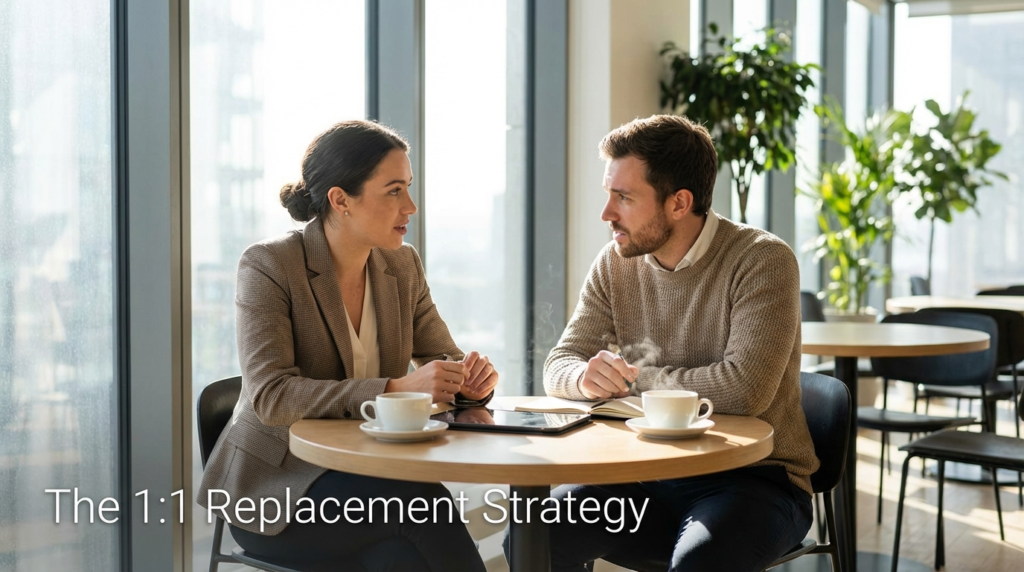
If you skip a group event, you must replace it with a micro-interaction. Group events are highly inefficient for building actual capital. You spend two hours shouting over loud music just to have a three-minute conversation with your boss.
During my five years of testing workplace dynamics, I found that one five-minute conversation over coffee builds more trust than two hours at a loud bar. If you skip the Thursday team dinner, schedule a 15-minute coffee chat with the key decision-maker from that team on Tuesday morning. You get the exact same networking benefit without the massive time sink. You also control the environment and the topic of conversation.
Defeating the Office Social Enforcer
Every office has a social enforcer. This is usually a highly extroverted colleague who views event attendance as a metric of team loyalty. During my testing, I dealt with a project manager who constantly pressured people to attend after-hours drinks.
If you give this person a vague excuse, they will push back. You must use the “Boring Detail” tactic. When they ask why you are skipping, provide an aggressively boring, hyper-specific reason. I once told this project manager, “I am spending tonight auditing pivot tables for the legacy account migration.” They immediately stopped asking. People cannot argue with tedious work tasks. They will leave you alone and find someone else to pressure.
The 15-Minute Ghost Technique
Sometimes, an event is technically optional but politically mandatory. Perhaps the CEO is visiting from out of town, or a major client is present. In these rare cases, use the 15-minute ghost technique.
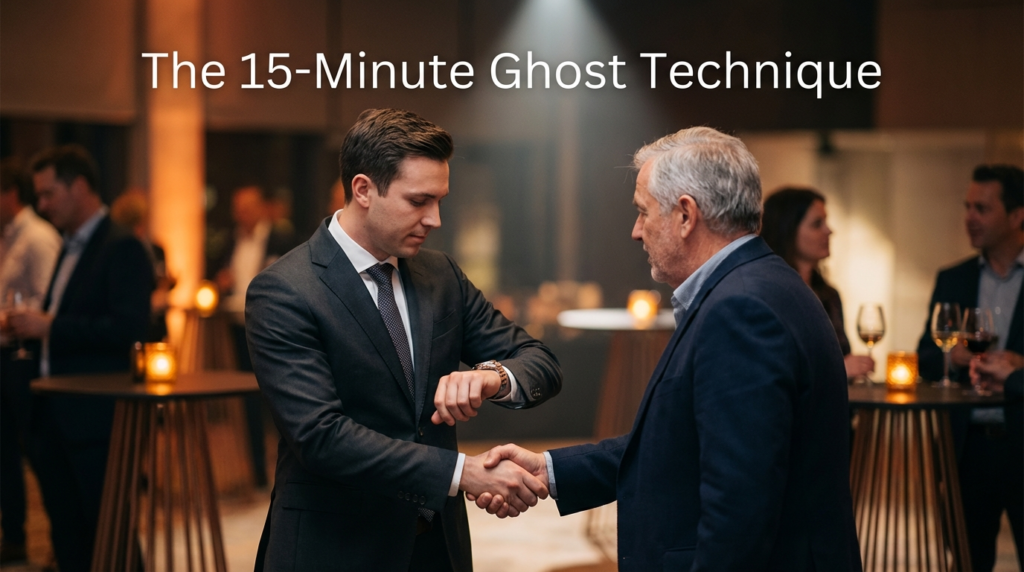
Arrive exactly on time. Speak directly to the most senior person in the room within the first five minutes. Make a specific, memorable comment about a recent work win. Speak to the event organizer, thank them for setting it up, and leave immediately at the 15-minute mark. You are marked as present in the minds that matter, and you preserve the rest of your evening. I used this exact tactic at a mandatory holiday mixer. The next day, the vice president thanked me for attending, completely unaware that I had left before they even served the appetizers.
Frequently Asked Questions
How do I decline a calendar invite for an optional event?
Click decline and send a direct message to the organizer stating you have a conflicting work block. Keep it brief and do not offer excessive details about your workload.
Will my boss think I am not a team player?
Managers prioritize results over attendance. Maintain high visibility on your core projects and deliver strong results to easily offset your social absence.
What if my team presses me on why I am not going?
Use the broken record technique. Simply state you have a conflicting commitment and immediately pivot the conversation back to a shared work task.
Should I attend virtual optional events like Zoom happy hours?
Treat virtual events exactly like physical events. Skip them using the exact same consistent anchor strategy, but send a quick, friendly greeting in the main team chat right before the meeting starts.
Final Verdict
You completely control your office narrative. Attending every single optional gathering is a fast track to burnout and actively dilutes your professional standing. By using a consistent anchor, replacing group events with strategic 1:1 interactions, and eliminating apologies from your vocabulary, you can easily skip the forced fun. Your office standing will not suffer. By creating a perception of intense focus and high demand, your professional reputation will actually improve. Protect your time aggressively. The people who matter will respect you more for it.